
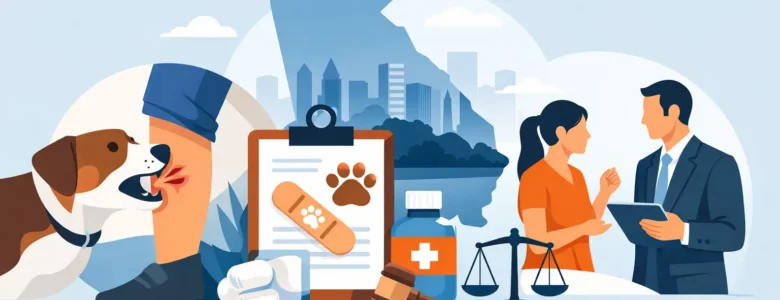
A dog bite can turn a routine walk, visit, or delivery into a medical and legal emergency within seconds. Knowing what to do after a dog bite injury helps protect your health first and preserves the facts you may need if the owner, an insurer, or another responsible party later disputes what happened.
The visible wound is not always the full story. Punctures can become infected, nerve damage may not be obvious at first, and bites to the face, hands, or joints can require extensive treatment. Take the incident seriously, even when the dog’s owner insists that the animal has never bitten anyone before.
Your first priority is medical treatment. If bleeding is heavy, the injury is deep, there is damage to the face or hands, or you feel faint, call 911 or seek emergency care immediately. Clean the wound with soap and running water if you can do so safely, apply pressure with a clean cloth to control bleeding, and avoid trying to close a serious wound yourself.
A doctor can assess the depth of the injury, clean the area properly, determine whether stitches are appropriate, and evaluate the risk of infection. You may need a tetanus booster or treatment related to rabies exposure, depending on the circumstances and the dog’s vaccination status.
Do not delay care because the wound appears small. Dog teeth can drive bacteria deep beneath the skin. A prompt medical record also creates clear documentation connecting your injuries to the attack.
If you are physically able, get the owner’s name, phone number, address, and insurance information. Ask for the dog’s vaccination records or the name of the veterinarian who can verify rabies vaccination. If the owner is not present, ask neighbors, property managers, witnesses, or responding officers whether they can identify the dog and where it lives.
Report the bite to local animal control or law enforcement as soon as possible. This report serves two critical purposes: it allows authorities to investigate the dog’s health and quarantine status, and it creates an independent record of the incident. If the dog cannot be located, medical providers may need to take additional precautions regarding rabies.
Do not argue with the owner or accept an immediate cash payment in exchange for staying quiet. A serious injury can involve medical bills, lost income, scar treatment, therapy, and future care that are not apparent on the day of the attack.
Evidence can disappear quickly. Photographs, witness information, and details about the location may become difficult to recover after the scene changes. Preserve what you can while the facts are fresh.
Take photographs of the injury before and after treatment, damaged clothing, bloodstains, the place where the attack happened, broken gates or fences, warning signs, and the dog if it is safe to do so. Continue taking photographs as bruising, swelling, scarring, or infection develops.
Write down your account of the event. Include the date, time, location, what you were doing, whether the dog was leashed or confined, what the owner did, and any statements made after the bite. Details such as “the gate was open” or “the owner said the dog gets loose often” may become significant later.
If anyone saw the attack, get their names and contact information. Witnesses can be especially important when an owner claims you provoked the dog, trespassed, or were somewhere you should not have been. Keep copies of medical records, prescription receipts, work absence records, animal control reports, and all communications from the dog owner or an insurance company.
An insurance adjuster may contact you soon after the incident. Their questions can sound routine, but their role is to evaluate the claim for the insurance company. You are not required to provide a recorded statement immediately or guess about the full extent of your injuries before you have completed treatment.
Be truthful, but do not minimize your pain, speculate about fault, or agree to a settlement before you understand your prognosis. A quick offer may not account for follow-up procedures, permanent scarring, lost wages, or the psychological impact of an attack. Children, in particular, may need ongoing care and may experience lasting fear around animals.
Avoid posting about the bite on social media. Photos, comments, and check-ins can be taken out of context and used to challenge the seriousness of your injury or your version of events.
Georgia law does not make every dog bite case automatic. Liability can depend on whether the dog was allowed to run at large, whether the owner knew or should have known of dangerous behavior, whether a local leash ordinance was violated, and whether the injured person provoked the animal or was lawfully on the property.
Those details matter. A bite from an unleashed dog on a public sidewalk may raise different legal issues than an incident involving a family pet inside a private home. Landlords, property owners, caretakers, businesses, and other parties may also be relevant in certain situations, particularly when they had control over the property or knowledge of a dangerous condition.
Do not assume that a dog’s lack of a prior bite ends the case. Do not assume the opposite, either. The owner’s conduct, the dog’s history, local ordinances, available insurance coverage, and the evidence surrounding the attack all deserve careful review.
A dog bite claim may seek compensation for more than the initial emergency room bill. Depending on the injury and evidence, damages can include medical expenses, future treatment, lost income, reduced ability to work, pain and suffering, disfigurement, scarring, and emotional distress.
Keep a simple daily record of how the injury affects your life. Note sleep problems, missed work, difficulty using your hand, limits on exercise or childcare, pain during treatment, and anxiety around dogs. This is not about exaggeration. It is about accurately showing the real consequences of an injury that may be more disruptive than a single medical invoice suggests.
Georgia generally gives injured people two years from the date of injury to file a personal injury lawsuit, but deadlines can vary based on the parties involved and other circumstances. Waiting is risky. Video footage may be erased, witnesses may become hard to locate, and physical evidence may be repaired or removed.
A dog bite case is often fought over responsibility, the severity of the injuries, and the value of future care. Strong legal representation can investigate the attack, secure available evidence, identify insurance coverage, handle insurer communications, and prepare the case for litigation if a fair resolution is not offered.
Cuadra & Patel, LLC provides experienced, aggressive representation for Georgia injury victims facing high-stakes disputes. If you or your child was bitten, act promptly: focus on medical care, preserve the evidence, and get clear legal advice before an insurer defines the story for you.
A dog owner’s apology does not pay for surgery, scar revision, missed paychecks, or the fear that can follow an attack. Protect your health now, keep the facts in your hands, and make decisions from a position of strength.
contact us 24/7
(404) 373-6336
contact us via email