
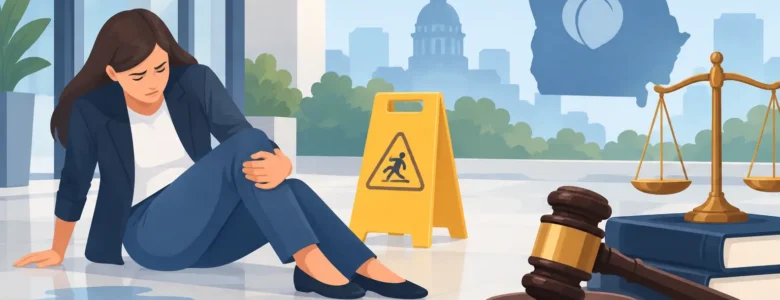
A puddle near a grocery store entrance can be gone before an injured customer reaches the emergency room. A broken stair rail may be repaired the next morning. That is why a premises liability claim guide is not just about understanding the law. It is about taking fast, deliberate action before the evidence that proves your case disappears.
Property owners and businesses have a duty to keep their premises reasonably safe for lawful visitors. When they ignore a hazard and someone is hurt, the injured person may have the right to seek compensation. But insurers rarely make that process easy. They look for gaps in the evidence, question whether the danger was obvious, and argue that the injured person should have avoided it.
Premises liability is the legal term for injuries caused by unsafe conditions on someone else’s property. These cases arise in places people visit every day: apartment complexes, retail stores, restaurants, parking lots, hotels, private homes, offices, and construction areas.
The dangerous condition can take many forms. A claim may involve a wet floor without a warning sign, loose carpeting, inadequate lighting, uneven pavement, falling merchandise, a defective handrail, poor security, or a concealed hazard in a common area. The injury itself can range from a fractured wrist to a traumatic brain injury, spinal damage, or permanent mobility limitations.
An accident alone does not automatically establish liability. The central question is whether the owner, occupier, manager, or another responsible party failed to use reasonable care to keep the property safe. In Georgia, these cases often turn on knowledge: Did the responsible party know about the hazard, or should it have known through reasonable inspections and maintenance?
A strong premises liability claim requires more than proof that you were hurt on another person’s property. Your attorney must connect the unsafe condition to the injury and show why the responsible party should be held accountable.
Notice is often the hardest issue in a slip-and-fall or trip-and-fall case. If a drink was spilled seconds before a customer fell, the business may argue it had no reasonable opportunity to discover and clean it. If surveillance video, inspection records, or witness testimony shows the spill had been there for an extended period, the case looks very different.
Actual notice means the owner or an employee knew about the hazard. Constructive notice means the condition existed long enough, or was recurring enough, that reasonable inspections should have discovered it. For example, a property owner who repeatedly ignores a leaking cooler or broken stairway cannot avoid responsibility simply by claiming no one filed a formal complaint.
Insurance companies also focus on what the injured person knew. They may claim a hazard was open and obvious, that warning signs were visible, or that you were distracted. Georgia law can reduce or bar recovery when an injured person is found partly responsible, depending on the facts and percentage of fault.
That does not mean an insurer gets the final word. A dimly lit walkway, an obscured defect, a misleading warning sign, or a hazardous condition that left no safe route around it can change the analysis. Every case depends on the evidence, the setting, and what a reasonable person could have seen or avoided.
Your medical records must show the real impact of the injury. Seek prompt care, follow treatment recommendations, and keep records of every provider visit, prescription, therapy session, work absence, and out-of-pocket cost. Delays in treatment give the insurer room to argue that you were not seriously hurt or that something else caused your condition.
Your health comes first. Get medical attention immediately if you have pain, dizziness, limited movement, numbness, or any concern about a head injury. Some serious injuries are not obvious in the first few hours after a fall or impact.
If you can do so safely, report the incident to the property owner, manager, or employee before leaving. Ask that an incident report be created, but do not speculate about fault or minimize your pain. Request a copy if it is available. If the business refuses, write down the name and job title of the person you spoke with, along with the time and location of the report.
Photographs and video can be decisive. Capture the hazard from several angles, including the surrounding area, lighting, warning signs, entryways, and your footwear or clothing if they are relevant. Take photographs of visible injuries as they develop. If someone saw what happened, get their name and contact information before they leave.
You should also preserve practical details that are easy to forget: the exact location, weather conditions, what you were doing immediately before the incident, and anything a manager or employee said afterward. Write these facts down as soon as possible while your memory is fresh.
Avoid giving a recorded statement to an insurer before you understand your rights. A friendly adjuster may ask questions designed to narrow the claim, create an inconsistency, or obtain an unnecessary admission. You can provide basic information, but you do not need to accept blame or agree to a quick settlement while you are still learning the full extent of your injuries.
Premises cases are evidence-driven. A business may have surveillance footage showing the incident, the condition of the floor, employee activity, or the absence of inspections. But many recording systems overwrite video within days or weeks. Cleaning logs, maintenance records, prior complaint reports, and employee schedules can be equally valuable.
An experienced attorney can promptly demand that key evidence be preserved. That early action matters because a repaired defect or erased video can make a legitimate claim far harder to prove. In cases involving negligent security, evidence may include prior incident reports, security patrol records, lighting conditions, access-control failures, and the property’s history of criminal activity.
A successful claim may seek compensation for medical expenses, future medical care, lost income, reduced earning capacity, pain and suffering, and the day-to-day limitations caused by the injury. The value of a case depends on the severity of the harm, the available evidence, insurance coverage, and the strength of the liability argument.
Be cautious with early offers. A settlement may sound helpful when bills are arriving, but it can require you to release the claim permanently. If surgery, physical therapy, or long-term work restrictions become necessary later, you generally cannot return for more money after signing a final release.
Many Georgia personal injury claims are subject to a two-year filing deadline, but the correct deadline can depend on the circumstances. Claims involving a city, county, state entity, or other government-related property may require special notice much sooner than a typical lawsuit deadline.
Waiting is risky even when there appears to be plenty of time. Witnesses move, video is overwritten, and property conditions change. Prompt legal review gives your attorney a better chance to secure evidence and identify every party responsible for the unsafe condition.
Most premises liability claims involve negotiation, but a fair result is more likely when the other side knows your attorney is prepared to build the case for court. Property owners and insurers have teams trained to limit payouts. They may deny notice, dispute your injuries, or point to your actions instead of their unsafe property.
Cuadra & Patel, LLC provides effective and aggressive representation for injured people across Georgia. A careful investigation, clear damages evidence, and a willingness to litigate can shift the pressure where it belongs: onto the party that failed to keep people safe.
Do not let a cleaned floor, repaired step, or insurance adjuster’s quick call define what happened to you. Protect your health, preserve what you can, and get legal guidance before the evidence and your leverage begin to fade.
contact us 24/7
(404) 373-6336
contact us via email